Policy Statement
Outreach Rescue is committed to providing a supportive environment that promotes the wellbeing, mental health, and academic success of all learners. Recognising the challenges that students may face during their studies, we aim to create a culture of care where learners feel supported, valued, and empowered to thrive. This policy outlines the systems, services, and procedures in place to support student wellbeing throughout their academic journey.
Purpose
The purpose of this policy is to:
- Ensure that all learners have access to appropriate support services that promote their mental, physical, and emotional wellbeing.
- Foster an inclusive and compassionate environment where students feel confident seeking help when needed.
- Provide a clear framework for identifying and responding to wellbeing concerns.
Scope
This policy applies to all learners enrolled in Outreach Rescue programmes, whether studying face-to-face, online, or during practice placements. It also provides guidance to staff, Practice Educators (PEds), and tutors on their roles in supporting student wellbeing.
Wellbeing Support Principles
- Accessibility
Support services are available to all learners and can be accessed through multiple channels, including in-person, by phone, or online. Information on these services is provided during induction. - Proactivity
Outreach Rescue prioritises proactive wellbeing initiatives, including workshops, peer support networks, and regular check-ins, to prevent issues from escalating and to equip learners with resilience and coping strategies. - Confidentiality
All student wellbeing concerns are handled with the utmost confidentiality, and information is shared only with those who need to know to provide effective support. - Inclusivity
Our wellbeing services recognise and accommodate the diverse needs of students, including those with disabilities, mental health conditions, or cultural considerations. - Collaboration
We work closely with Practice Placement Providers, external support organisations, and healthcare professionals to ensure students receive comprehensive and coordinated support.
Wellbeing Services
1. Wellbeing Team
The Student Wellbeing Team is the first point of contact for learners seeking advice or support. The team comprises Members of Faculty and Administration, the team provides:
- Signposting to specialised services (e.g., mental health support, financial advice).
- Advice on managing academic pressures, placements, and personal challenges.
2. Personal Tutor System
Each learner is assigned a Personal Tutor who provides academic guidance and serves as a key contact for wellbeing concerns. Tutors are trained to identify signs of distress and refer students to appropriate support services.
3. Peer Support Networks
Peer support networks connect students with trained peers who provide informal support and encouragement. These networks help reduce feelings of isolation and build a sense of community.
4. Placement Support
During practice placements, learners can access support through their PPEd or Practice Placement Coordinator. Outreach Rescue ensures that placement providers have safeguarding and wellbeing protocols in place, and we maintain close collaboration with these providers to address any student concerns.
5. Online Resources
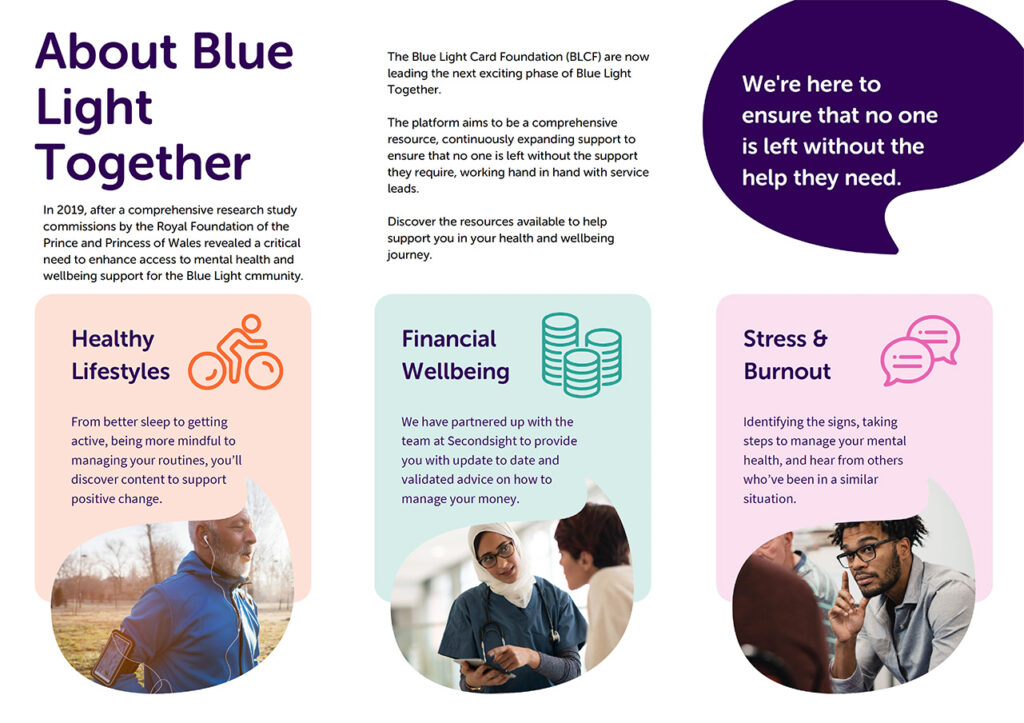
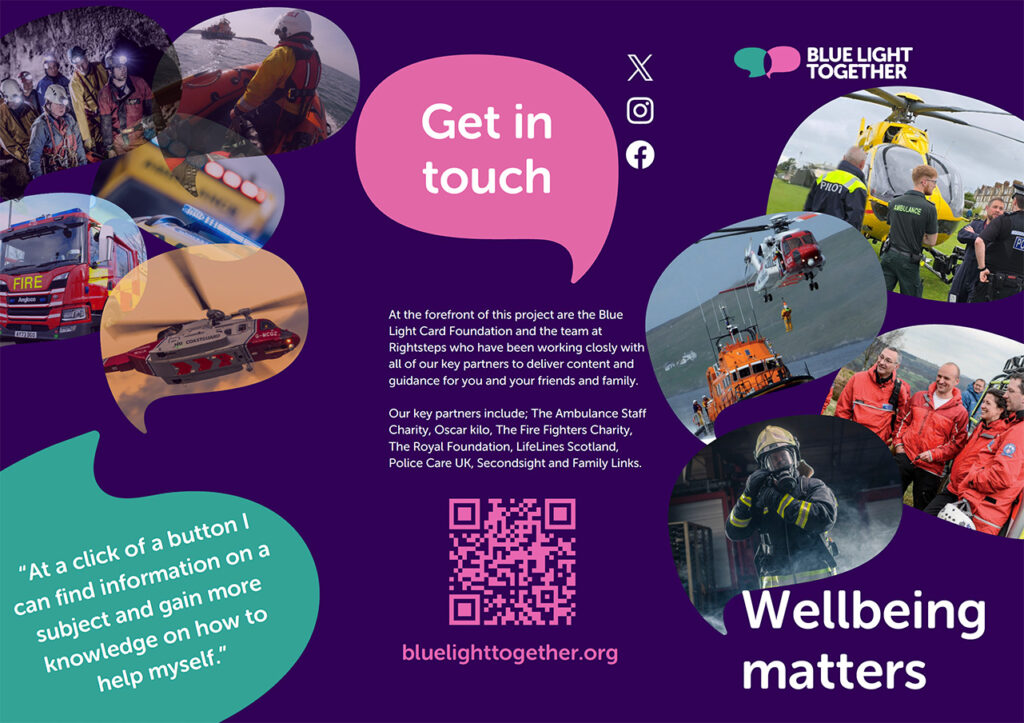
Outreach Rescue’s Virtual Learning Environment (VLE), iLearn, hosts a dedicated wellbeing hub, featuring resources from the “Blue Light Together” initiative:
- Self-help guides and toolkits for managing stress and mental health.
- Information on external support organisations and crisis helplines.
- Tips for maintaining a healthy study-life balance.
Procedure for Addressing Wellbeing Concerns
1. Self-Referral
Learners can self-refer to the Student Wellbeing Team or their Personal Tutor at any time. Referrals can be made via email [wellbeing@outreachrescue.com], phone [+44 1248 603 012], or through iLearn (Moodle).
2. Staff Referral
If a staff member identifies a wellbeing concern, they should:
- Discuss the concern with the learner sensitively and privately.
- Encourage the learner to access support services.
- Submit a referral to the Student Wellbeing Team if further assistance is required.
3. Placement Concerns
During placements, learners are encouraged to raise wellbeing concerns with their PEd or Practice Placement Coordinator. Outreach Rescue will liaise with placement providers to ensure the student receives appropriate support.
4. Crisis Response
In cases of immediate risk (e.g., self-harm, harm to others):
- Contact emergency services (999) if necessary.
- Notify the Operations Manager or Clinical Education Manager.
- Provide ongoing support to the learner until the situation is resolved.
Monitoring and Review
The effectiveness of this policy is reviewed annually as part of the E1: Outreach Rescue Quality Systems. Feedback from learners, staff, and placement providers is gathered through surveys and focus groups to inform continuous improvement.
Governance and Accountability
The Quality and Standards Committee oversees the implementation of this policy. The committee ensures that adequate resources are allocated to wellbeing services and that staff receive regular training on identifying and supporting wellbeing concerns.
Embedding Wellbeing into Education
Outreach Rescue incorporates wellbeing into its educational programmes by:
- Embedding mental health and resilience workshops into the curriculum.
- Encouraging open dialogue about wellbeing through regular tutor meetings and student forums.
- Promoting a positive study environment that balances academic challenge with personal support.